Denver's Flat Median Price Is Hiding a Housing Market Split in Two
The headline number looked boring. In August 2026, the Denver Metro Association of Realtors put the median closing price for the eleven-county metro area at $594,495, a number that barely moved: down 0.25 percent from a year earlier, down 1.74 percent from July. If you were skimming a market update looking for a reason to worry or a reason to celebrate, that figure gave you neither. Flat.
That's the problem with it. A number that flat, sitting on top of a market where closed sales dropped nearly 19 percent from July and almost 17 percent from a year ago, isn't describing one market. It's averaging two of them, and the two are moving in opposite directions hard enough that the average has stopped meaning much of anything for a buyer trying to decide what to do next.
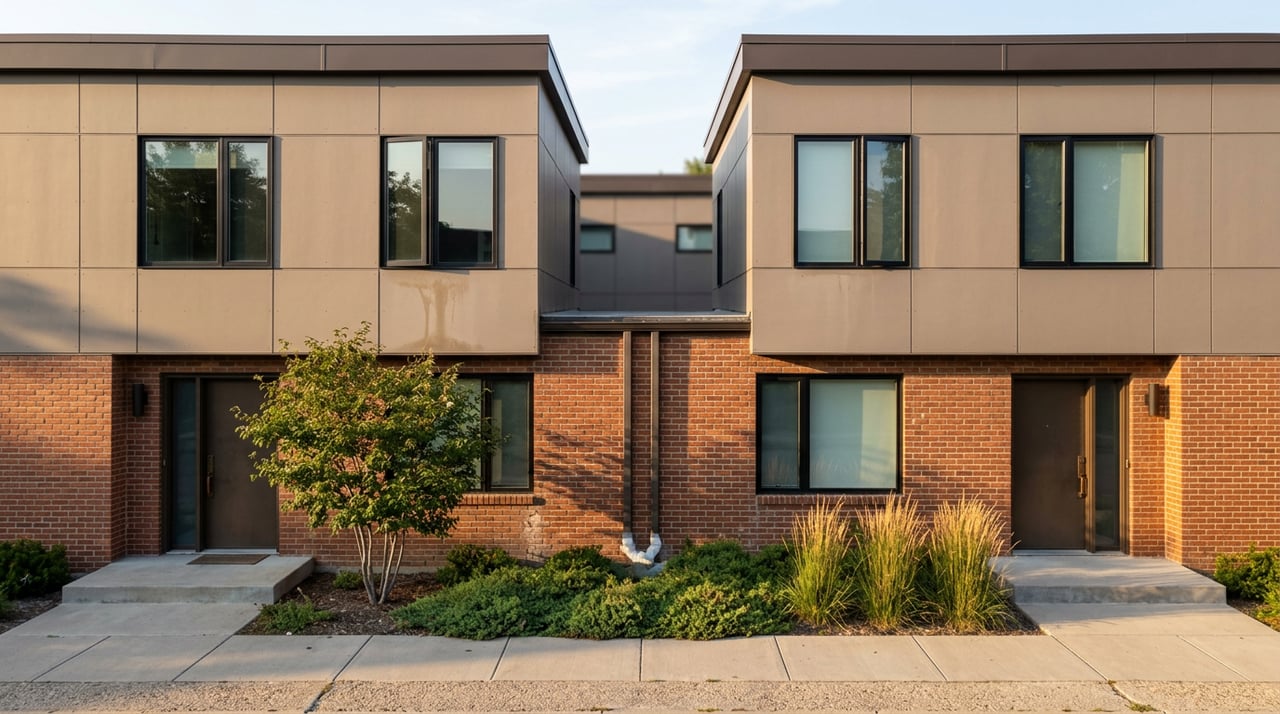
Break the August data down by property type and the flat line splits apart. Detached single-family homes closed at a median of $649,500, essentially unchanged from a year earlier. Attached homes, the condos and townhomes that make up a much bigger share of Denver's own housing stock than they do in the South Metro suburbs, closed at a median of $370,000, down 4.87 percent year over year. Inventory tells the same story from the supply side: attached listings were up nearly 10 percent annually, giving condo and townhome buyers more to choose from and, with it, more room to negotiate.
| Segment | Median close price, Aug 2026 | Year-over-year change |
|---|---|---|
| Denver Metro overall | $594,495 | -0.25% |
| Detached single-family | $649,500 | roughly flat |
| Attached (condo/townhome) | $370,000 | -4.87% |
Put those three rows next to each other and the metro-wide median stops looking like a market condition and starts looking like an artifact of arithmetic. Detached homes held their ground. Attached homes softened. Blend enough of each together and you get a number that describes neither.
That distinction matters more in Denver than in most of the metro, because Denver's urban core carries a heavier mix of condos, rowhomes, and lofts than the single-family-dominant suburbs the region is known for. A buyer shopping strictly within Denver's city limits is more likely to be shopping the softer half of that split. A buyer cross-shopping Denver against Highlands Ranch, Parker, or Centennial, where the housing stock leans detached, is comparing two different price environments that happen to share the same metro-wide headline.
There's a second layer under the August numbers that the median price doesn't show at all. Days on market rose to a median of 27, up from the faster pace earlier in the year, and mortgage rates have held near 6.5 percent through the back half of summer. Faced with that combination, sellers have mostly stopped cutting list prices and started doing something less visible: paying to bring the buyer's monthly payment down after the price is already agreed to.
Across the metro, a large majority of closed sales this year have carried some form of seller concession, commonly landing around $10,000 and often used for a temporary or permanent rate buydown rather than a straight credit at closing. That's a meaningful shift in how deals get done. A list price holding steady doesn't necessarily mean a seller is holding firm. It can mean the negotiation moved somewhere the price sheet doesn't show: closing cost credits, a 2-1 buydown, an inspection repair allowance folded into the contract instead of the price.
Amanda Snitker, chair of the DMAR Market Trends Committee, put it plainly in the association's own read on the August data: "Uncertainty has dominated the conversation, but it hasn't translated into real instability in this market." Prices haven't cracked. Inventory hasn't spiked. What's changed is where the negotiating happens, and a buyer who only checks the sale price against the list price is going to miss most of it.
If you're the kind of buyer weighing a condo near Wash Park or Congress Park against a single-family home in Highlands Ranch or Parker, the August data gives you a more honest way to think about the choice than the metro median ever could.
On the attached side, the softer numbers work in your favor if you're patient. Inventory is up, prices have given back nearly five percent over the past year, and days on market are longer than they were earlier this year. That's real leverage in a negotiation, and it shows up more often as a rate buydown than as a lower asking price, so ask about it directly rather than assuming a firm list price means a firm deal.
On the detached side, expect less give. A median that's essentially flat year over year, in a housing type that dominates the South Metro suburbs, tells you sellers of single-family homes aren't under the same pressure to move. That doesn't mean there's no room to negotiate. It means the room is more likely to show up in concessions and closing terms than in a lower number on the sign.
A few practical takeaways if you're actively comparing the two:
None of this means the market is unstable. It means the market is two markets, and the metro-wide number that gets quoted in most headlines is doing its best to describe both at once. That's a lot to ask of one figure.
Does the softer condo market mean it's a bad time to buy one? Not necessarily. Softer pricing and rising inventory generally mean more negotiating room, not a market in decline. It's a different conversation with a seller than the one happening in the single-family market right now, and it's worth having with clear eyes about which side of the split you're on.
Should I wait for single-family prices to soften the way condo prices have? The August data doesn't point that direction. Detached prices have held essentially flat for a year despite a broader slowdown in closed sales, which suggests sellers of single-family homes aren't feeling the same pressure that's showing up in the attached market.
How do I find out if a concession is already built into an asking price? Ask directly, and ask early. Concessions get negotiated as part of the offer, not disclosed on the listing sheet, so the only way to know what's realistic is to have that conversation before you write an offer, not after.
If you're trying to figure out which side of this split makes sense for your own move, whether that's a condo close to the city or a single-family home in the South Metro suburbs, Pinette Realty Group can walk through the numbers with you block by block. Start Your Home Journey.
Stay up to date on the latest real estate trends.
We pride ourselves in providing personalized solutions that bring our clients closer to their dream properties and enhance their long-term wealth.
Get In Touch With Our Team To Learn More
8955 RIDGELINE BLVD STE 1400 HIGHLANDS RANCH CO 80129