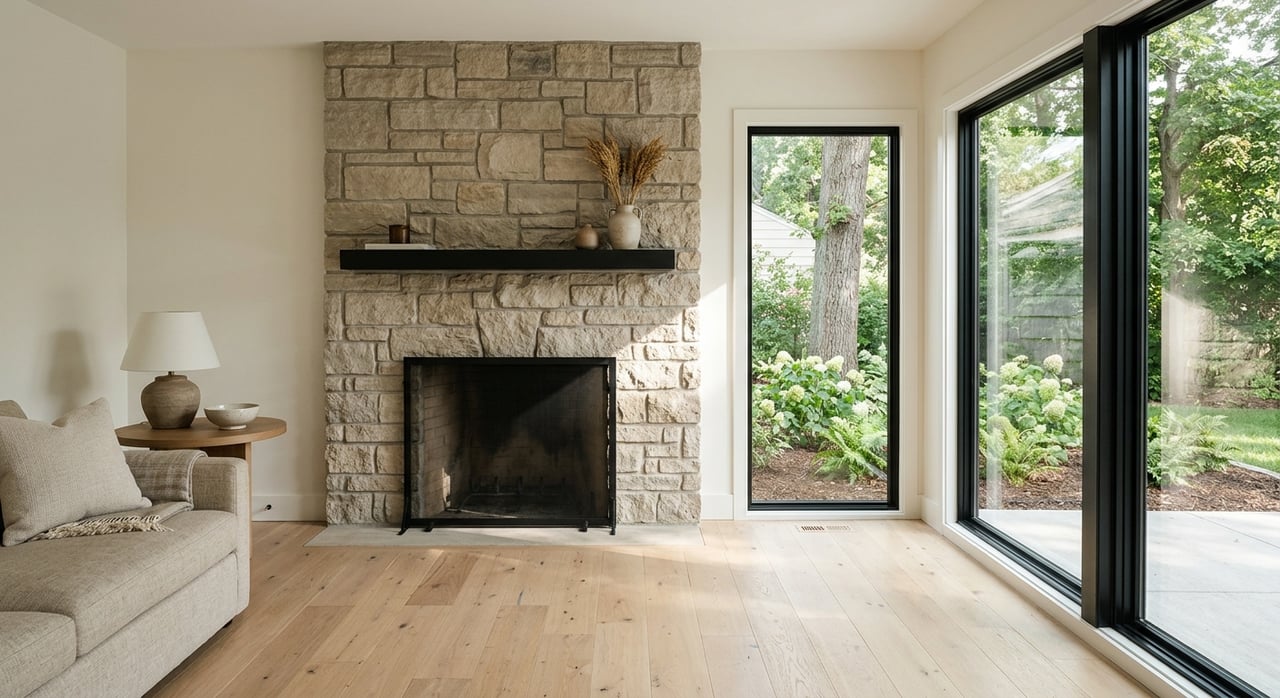
Highlands Ranch Property Management for New Landlords
Thinking about turning your Highlands Ranch home into a rental? It can be a smart move, but becoming a landlord here involves more than finding a tenant and collecting rent. You need to line up community rules, Colorado landlord duties, and a reliable plan for maintenance and communication. This guide will help you understand what to do before your first lease, what to watch during tenancy, and when it may make sense to get professional support. Let’s dive in.
Before you market your home, it helps to know that Highlands Ranch has a few local rules that directly affect leasing. According to the Highlands Ranch Community Association overview, this is a large master-planned community in Douglas County with a high owner-occupied housing rate and a median gross rent that runs above the state average. In practical terms, renters in this market may expect a well-kept home, and owners need to be organized about both condition and compliance.
The biggest local rule is simple: your home can only be rented for residential living purposes, under a written lease, and for a term of at least 30 days. The HRCA Residential Improvement Guidelines also state that a lease is subject to the community declaration and association rules. That means HOA compliance is not separate from your lease. It is part of the rental setup from day one.
If your tenant wants access to HRCA recreation centers and related amenities, there is paperwork involved. The association requires a signed lease and tenant forms before renter rights can be activated. Based on the HRCA renter information form, the owner gives up those rights while the tenancy is active.
This matters because it can affect tenant expectations at move-in. If you plan to advertise amenity access, make sure you understand the process and complete the required forms on time. Clear communication up front can prevent confusion later.
A strong lease does more than state the rent amount. It should clearly explain the due date, late charges, deposit terms, pet rules, utilities, maintenance responsibilities, and move-in and move-out procedures. In Highlands Ranch, your lease also needs to fit the HRCA 30-day minimum term and the community rules tied to the property.
For many first-time landlords, the lease is where small mistakes create bigger problems. A practical setup includes a written move-in checklist, dated photos, and a signed condition report. These records can help if there is ever a question about damage, repairs, or deposit deductions.
Colorado fair housing law applies to landlords and homeowner associations, and the state protects additional classes beyond federal law. The Colorado Civil Rights Division explains that protected classes include categories such as ancestry, creed, marital status, sexual orientation, source of income, and veteran or military status.
For you, the takeaway is to use written, consistent screening criteria for every applicant. Avoid informal decisions, inconsistent questions, or advertising language that could suggest a preference or limitation. Colorado law also limits some screening practices, including a general bar on requiring annual income above 200% of annual rent.
Colorado's tenant screening rules changed on January 1, 2026. Under HB25-1236, a prospective tenant using a housing subsidy does not have to include credit history, a credit score, or adverse credit events in a portable tenant screening report.
If you are creating or updating your application process, this is worth reviewing closely. Using an outdated screening process can create compliance risk before the lease even begins.
One of the most common questions from new landlords is how much they can collect up front. Colorado currently caps a residential security deposit at two monthly rent payments, according to the state's renters' rights summary. If you allow pets, the additional refundable pet security deposit is capped at $300.
Pet rent is limited too. Colorado limits pet rent to no more than $35 per month or 1.5% of monthly rent, whichever is greater. These numbers should be reflected clearly in your lease so there is no confusion later.
Colorado also sets deadlines for returning a security deposit. In most cases, you must return it within one month after the lease ends or the tenant surrenders the keys, unless your lease allows a longer period of up to 60 days.
You cannot keep deposit money for normal wear and tear. If money is intentionally withheld without a valid legal reason, a tenant may seek treble damages, costs, and attorney fees after giving seven days' notice. Good records, a strong move-in report, and a clear move-out process can make a big difference here.
New landlords are often surprised by how quickly habitability issues must be addressed in Colorado. Under the state's renters' rights summary, if a condition materially interferes with a tenant's life, health, or safety, you must begin remedial action within 24 hours of notice. If the condition is less severe, you must begin within 72 hours.
That timeline means maintenance planning should happen before your first tenant moves in. You do not want to start looking for a plumber, electrician, locksmith, or appliance technician after an urgent request comes in. In practice, a ready vendor list can be one of the most important parts of being prepared.
If a serious habitability issue materially affects life, health, or safety, Colorado law also requires a landlord to provide a comparable dwelling unit or hotel room at no cost within 24 hours of the tenant's request while repairs are underway. This is another reason to treat maintenance systems as essential, not optional.
When response windows are short, your process matters. Keep records of every repair request, every notice, and every action you take. Good documentation supports better service and can also help reduce disputes.
Landlords also need to handle entry carefully. For repairs tied to habitability, Colorado requires written notice of entry at least 24 hours in advance, including the date, time, and expected duration, as outlined in the Colorado Revised Statutes.
A tenant may reasonably deny the requested time and propose an alternative, or allow entry with less notice. Colorado also prohibits retaliation against tenants who complain about habitability. For a new landlord, the safest approach is clear written communication, prompt follow-up, and consistency.
Colorado law has changed in ways that matter to landlords. Since 2024, the state generally requires cause for eviction, with limited no-fault paths in situations such as owner move-in, substantial renovation, or selling certain types of homes at the end of the lease term, according to the Colorado Revised Statutes.
This makes it even more important to start with a solid lease, documented communication, and a thoughtful screening process. It is easier to prevent problems with strong upfront systems than to fix them after the tenancy has begun.
If you are getting ready for your first tenant in Highlands Ranch, this simple checklist can help:
Many owners can handle one rental successfully, but Highlands Ranch adds a few layers that make self-management more involved. You are not just collecting rent. You are managing HOA paperwork, fair housing compliance, deposit accounting, written notices, and fast repair timelines.
Outsourcing may be the better fit if you live out of the area, work a schedule that makes same-day responses difficult, or simply do not want to manage screening, maintenance calls, and documentation yourself. For owners converting a former primary residence into a rental, that support can be especially valuable because the transition often happens quickly.
The key question is not whether self-managing saves money on paper. It is whether you can reliably meet the obligations that come with the property. In a market like Highlands Ranch, consistency and responsiveness are a big part of protecting both your investment and your tenant relationship.
If you are weighing your options, Pinette Realty Group, LLC can help you think through the next step with local insight and practical guidance.
Stay up to date on the latest real estate trends.

We pride ourselves in providing personalized solutions that bring our clients closer to their dream properties and enhance their long-term wealth.
Get In Touch With Our Team To Learn More

8955 RIDGELINE BLVD STE 1400 HIGHLANDS RANCH CO 80129