Greenwood Village Investment Property Buyer Guide
Thinking about buying a rental in Greenwood Village? It can look attractive at first glance because rents are relatively high, the city has a strong professional employment base, and the location is well known across the South Metro area. But this is also a premium-priced, detail-heavy market where your results often depend on product fit, HOA rules, and clean execution more than simple rent growth. This guide will help you understand what matters most before you buy, so you can make a smarter investment decision. Let’s dive in.
Greenwood Village is a small, affluent city in Arapahoe County with 15,691 residents, 6,922 housing units, and a 64.1% owner-occupied rate. The Census reports a median household income of $149,029 and a median owner-occupied home value of $1,237,800. Those numbers point to a high-cost market with a renter base that often expects quality, convenience, and strong upkeep.
The city also reports about 38,500 daytime workers and describes itself as a blend of urban and residential areas with nationally recognized business parks. That matters because rental demand here is closely tied to professional employment and commuter-friendly living. In practical terms, well-located homes that are clean, functional, and easy to live in may have a better chance of attracting steady tenants.
As of May 2026, Apartments.com shows asking rents in Greenwood Village at $1,865 for a one-bedroom, $2,460 for a two-bedroom, and $3,026 for a three-bedroom. By property type, it lists average asking rents of $1,856 for apartments, $2,076 for condos, $2,429 for townhomes, and $3,253 for houses. It also reports that 67% of asking rents are above $2,000 per month.
The Census Bureau’s 2020-2024 ACS estimates a median gross rent of $2,123. That number is not directly comparable to asking-rent data, but together the figures support the same conclusion: Greenwood Village is not a low-rent entry market. If you are shopping here, you are likely looking at a higher-rent, higher-price environment from the start.
There is another important takeaway. Using Census median gross rent and median owner value as a rough signal, annual gross rent equals only about 2.1% of median owner-occupied value. That is not a cap rate, but it does suggest that this market is often margin-sensitive, which means appreciation potential, financing structure, taxes, and operating discipline can matter as much as monthly rent.
If you are hoping for strong immediate cash flow, Greenwood Village may require a more careful underwriting approach. High property values can compress your margin even when rents look healthy on paper. That is especially true if you are financing the purchase, paying HOA dues, or budgeting for updates in a competitive rental tier.
This is why many investors here focus less on chasing the highest possible rent and more on buying the right asset. A property with the wrong HOA rules, weak parking, outdated condition, or an awkward layout can struggle even in a city with solid demand drivers. In a premium market, small mistakes can become expensive quickly.
Not every rental product performs the same way in Greenwood Village. Your budget, management style, and return goals should shape what you buy.
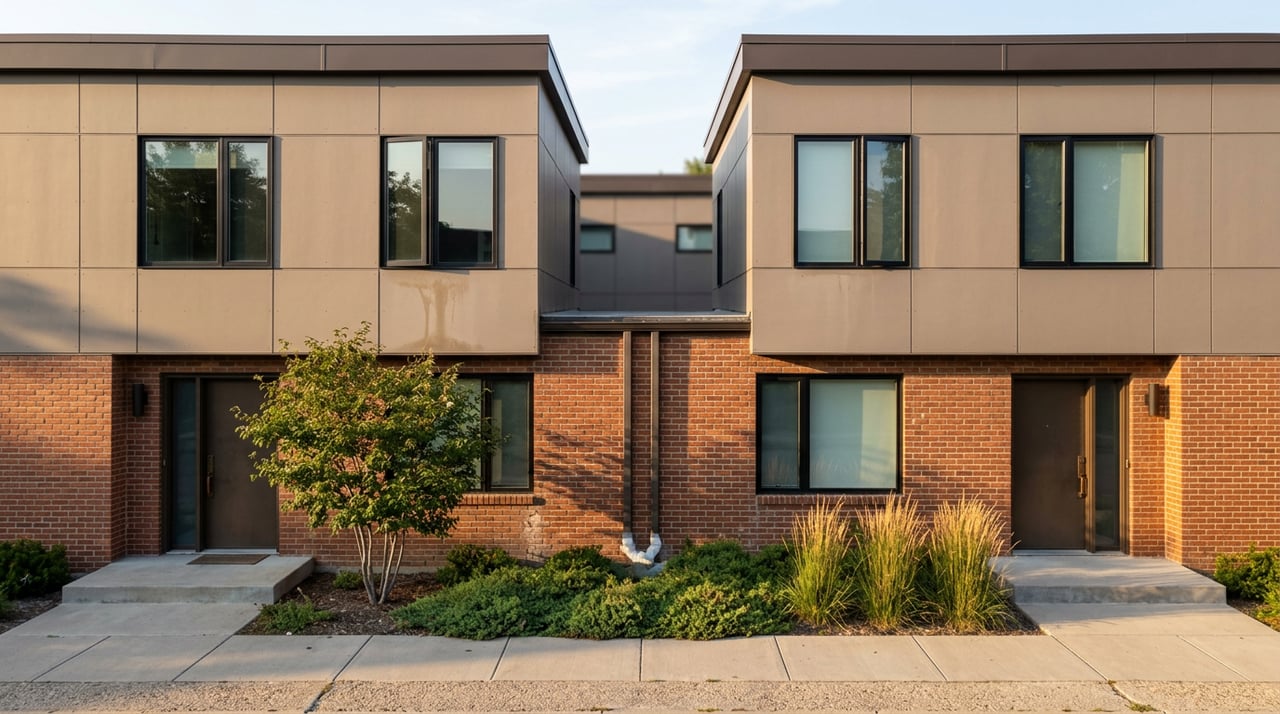
Condos and townhomes may offer a lower entry point than detached homes. Based on current asking-rent data, condos average $2,076 per month and townhomes average $2,429 per month. For small investors, these property types may be easier to enter and simpler to maintain, but HOA review becomes especially important.
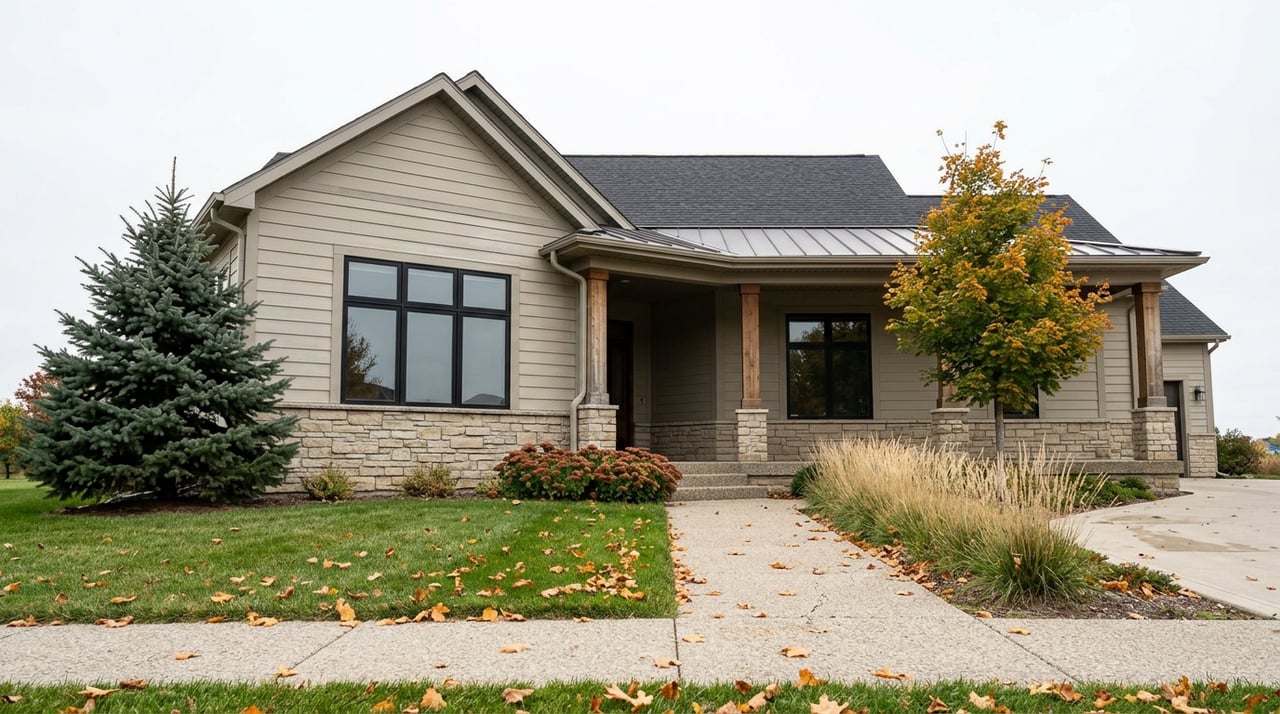
Houses show the highest asking rents at $3,253 per month. That can be appealing, but acquisition costs are also much higher, and repair exposure is usually broader because you are responsible for more systems, exterior items, and grounds-related issues. A detached home may fit your strategy if you want a larger rent number and can comfortably absorb the higher carrying costs.
The bigger lesson is that Greenwood Village appears better suited to well-kept, well-located rentals than to low-price, high-turnover strategies. The city’s mix of residential areas, business activity, and daytime workforce points toward renters who may value convenience, condition, and predictability. That makes your purchase criteria more important than simply choosing the cheapest unit available.
For a metro benchmark, CBRE reported Denver multifamily occupancy at 93.2% in the first quarter of 2026, with 2,776 units of positive net absorption and 1,346 units completed. Average rent was $1,729 per unit, down 6.4% year over year. That suggests the broader apartment market is stable, but still softening.
For you as an investor, that means you should be careful about assuming aggressive rent growth. A stable market can still punish overpricing. In Greenwood Village, vacancy risk may depend more on your property’s condition, pricing, parking, and lease terms than on broad demand alone.
If you are buying a condo, townhome, or any property within a common-interest community, HOA documents deserve early attention. Colorado’s HOA guidance says associations may adopt and enforce rental caps and lease restrictions, including minimum lease terms such as 12 months, if allowed by the governing documents. That means your investment plan can be limited before you ever list the property for rent.
You should review the CC&Rs, bylaws, and current rules before closing, not after. A rental cap, waiting period, board approval rule, or lease-length restriction can materially affect your timeline and income expectations. In this market, HOA friction can be just as important as price.
Greenwood Village is not a strong fit for a non-owner-occupied short-term rental strategy. The city states that short-term rentals of non-principal residences are prohibited. It also says that a short-term rental must be the owner’s or leaseholder’s primary dwelling unit or a habitable accessory structure, and occupancy may not exceed three unrelated persons.
That local rule narrows the playbook for investors. If you are planning to buy purely for vacation-rental or flexible short-stay income, Greenwood Village is likely the wrong target. Long-term leasing is the more realistic path for most rental buyers here.
State compliance matters just as much as local market selection. Colorado law sets clear rules that affect leasing, deposits, and fee policies.
Colorado caps security deposits at two monthly rent payments. Consumer guidance also says deposits are generally due back within 30 days after lease termination or surrender, or up to 60 days if the lease allows it. For terminations or surrenders on or after January 1, 2026, the statute requires supporting documentation within 14 days after a tenant makes a written request for deposit-retention records.
Colorado says a late fee can be charged only if rent is at least 7 days late, the fee is disclosed in the lease, and the amount does not exceed the greater of $50 or 5% of the past-due rent. If your lease form or management process misses these details, you can create avoidable problems.
Colorado prohibits housing discrimination based on source of income. State legislative guidance says source of income includes lawful wages and government or private assistance. There is a limited exception related to certain landlords with five or fewer single-family rental homes and no more than five total rental units, but this is still an area where investors should be precise and consistent in their screening practices.
Value-add sounds great in theory, but permit requirements can quickly change your numbers. Greenwood Village notes that many common improvements require permits, including decks, fences, plumbing, landscaping, electrical work, and other projects. If you are buying a property because you expect to improve it fast and refinance or raise rent, permitting and inspections should be part of your timeline and budget.
That does not mean value-add deals cannot work. It means you should budget conservatively and confirm requirements before you finalize your scope. In a premium market, overruns on a remodel can erase an already thin margin.
Colorado treats leasing and property management as brokerage activities when done for compensation. State guidance says those services must be performed in the name of the brokerage firm, with broker supervision, and with required trust or escrow account handling and recordkeeping. That makes professional oversight especially important for investors who want fewer surprises.
A strong management agreement should clearly cover:
A capable manager should also understand Colorado habitability duties, emergency contact expectations, deposit deadlines, late-fee limits, HOA lease restrictions, and Greenwood Village permit and short-term rental rules. In this market, good management is not just about collecting rent. It is about reducing operational friction and helping you stay compliant.
Before you buy a rental in Greenwood Village, make sure you can answer these questions:
Greenwood Village can make sense if you are comfortable with premium acquisition costs, tighter cash-flow margins, and a more compliance-heavy ownership experience. It is generally better suited to investors who want quality assets in a strong South Metro location than to buyers chasing easy yield or flexible short-term rental income. The best outcomes often come from buying the right property, reading HOA documents early, and treating management and compliance as part of the investment itself.
If you want help evaluating condos, townhomes, or single-family rentals in Greenwood Village and the surrounding South Metro Denver market, Pinette Realty Group, LLC offers local guidance for investors who want a clear, process-driven approach.
Stay up to date on the latest real estate trends.
We pride ourselves in providing personalized solutions that bring our clients closer to their dream properties and enhance their long-term wealth.
Get In Touch With Our Team To Learn More
8955 RIDGELINE BLVD STE 1400 HIGHLANDS RANCH CO 80129