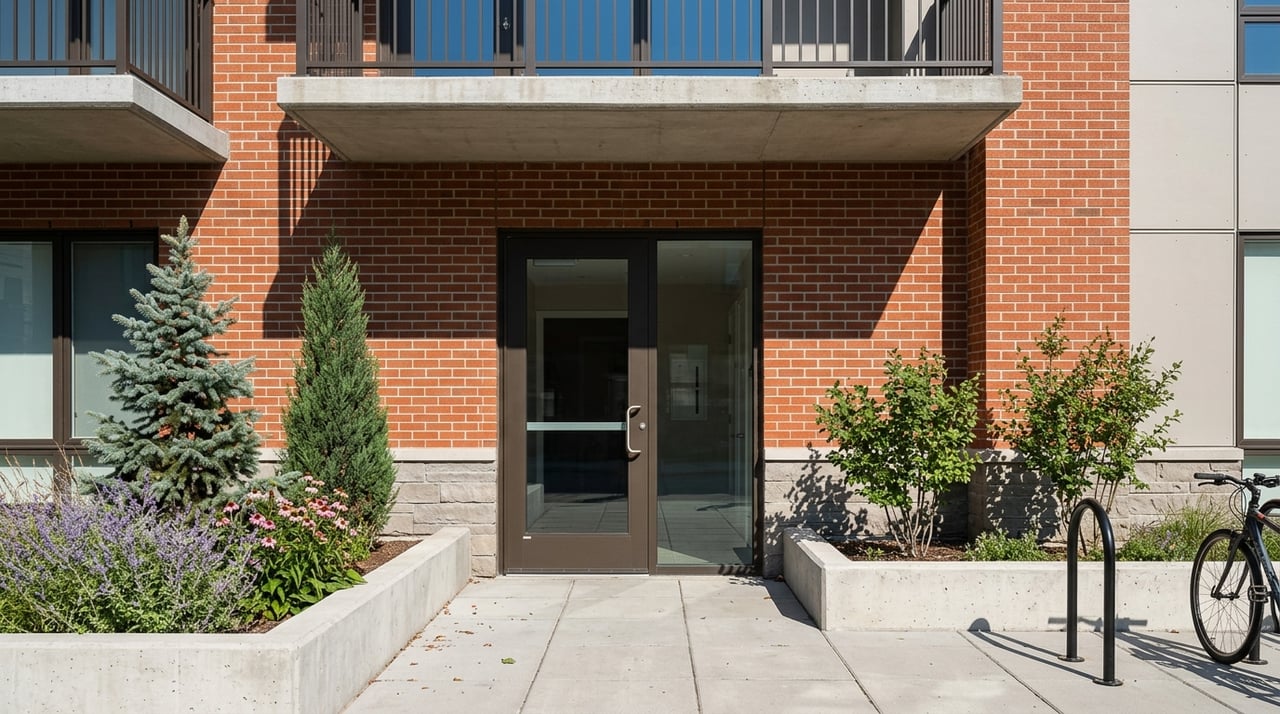
Selling Your Denver Condo Before a South Metro Move
Thinking about selling your Denver condo so you can move south to Highlands Ranch or another South Metro suburb? That move can be exciting, but it also comes with a timing puzzle. Your condo sale, your next home search, and your closing dates may not move at the same speed. This guide will help you understand what to prepare, what to expect, and how to build a smoother plan before your condo hits the market. Let’s dive in.
If you are selling a condo in Denver and heading south, it helps to know that these two markets can behave differently. In May 2026, REcolorado reported a $615,000 median closed price across the Denver metro, with 13 median days in the MLS and about 1 week of inventory. At the same time, South Metro Denver's attached segment showed a $415,000 median price, 31 median days in MLS, and 4.8 months of supply.
That matters because your condo may not sell at the same pace as the home you want to buy. Highlands Ranch was especially competitive, with a median sale price of $707,077 over the three months ending May 2026 and homes selling in about 12 days on average. In simple terms, your next home could appear and move fast while your condo may require more patience and tighter pricing.
A lot of sellers ask the same question first: should I sell first or buy first? In this market, the safer approach is often to make your financing plan, bridge options, and backup housing plan before listing your condo. That is especially important when your destination market can move quickly.
This does not mean every seller must close the condo first. It means you should decide early how much risk you can handle, how much flexibility you need, and what tools may help you line up both sides of the move. A calm plan up front can reduce last-minute pressure later.
Condos come with extra moving parts that detached homes do not always have. In Colorado, sellers of condos must provide association documents by the Association Documents Deadline, and that package can be extensive. It may include declarations, bylaws, rules, meeting minutes, insurance information, assessments, financial documents, fees, reserve study details, and any construction-defect notice.
The contract also says the seller should request a current Status Letter at least 14 days before closing, and the seller pays that fee. If those documents are delivered late or contain issues the buyer does not accept, the buyer may have a termination window. That is why condo sales benefit from early document gathering, not last-minute scrambling.
When you sell a condo, citywide headlines only tell part of the story. Your pricing and presentation should fit the attached-home segment and your specific building or community. Buyers will compare your unit closely against other condos and townhomes, so details matter.
This is where preparation pays off. A clean, bright, organized condo often feels larger and more move-in ready, which can help it stand out in a segment where buyers may be weighing several similar options.
According to the 2025 staging report from NAR, 49% of sellers' agents observed reduced time on market for staged homes. The same report found that 83% of buyers' agents said staging made it easier for buyers to picture the property as their future home. The rooms buyers cared about most were the living room, primary bedroom, and kitchen.
For most condo sellers, that does not mean a full remodel. It usually means focusing on the spaces that shape the first impression and removing anything that makes the home feel smaller, darker, or busier than it is.
A smart condo prep list often includes:
The goal is simple: help buyers notice the space, not your stuff.
A clean showing is important, but a clean file is just as important. Colorado's 2026 Seller's Property Disclosure asks for information based on your current actual knowledge. That includes structural conditions, roof, water intrusion, electrical and mechanical systems, parking and access, radon, common-interest-community issues, and metropolitan district status.
For condos, the HOA section is especially important. The form asks whether the property is part of an owners' association, whether special assessments or approved increases are pending, whether there are defects in the common elements, and whether the association has pursued construction-defect litigation.
Before your condo goes live, it helps to gather as much of the following as possible:
This early prep can help you answer buyer questions faster and reduce delays once you are under contract.
If you are trying to sell in Denver and buy in Highlands Ranch, timing tools matter. Colorado's residential contract includes a Conditional Upon Sale of Property contingency. This gives a buyer a formal way to make the purchase conditional on the sale and closing of their existing property by a set deadline.
There is also a Post-Closing Occupancy Agreement, which addresses possession after closing. In practice, that can help if you sell your condo but need a short period of time after closing to complete the move.
Neither option is automatic, and neither is right for every situation. But both can be useful when your condo sale and your next purchase need to work together instead of competing with each other.
There is no one-size-fits-all answer, but these are the main tradeoffs:
| Option | Potential benefit | Potential challenge |
|---|---|---|
| Sell first | Clearer budget and less financial overlap | You may need temporary housing or flexible possession timing |
| Buy first | More time to move once you own the next home | You may need stronger financing and more risk tolerance |
| Use a sale contingency | Protects you if your condo does not sell in time | It may affect how your offer is received |
| Use post-closing occupancy | Gives you extra move-out time after closing | Terms must be negotiated clearly in the contract |
The best choice usually depends on your equity, financing, comfort level, and how quickly you expect to buy once the right home appears.
Condo sellers should also pay attention to HOA-related closing details. Under the Colorado contract, current regular assessments paid in advance are credited to the seller at closing. Assessments accrued before closing are paid by the seller, and assessments after closing are paid by the buyer.
The contract also notes that private transfer fees and other community-association fees due at closing must be allocated by the parties. These are not small details when you are trying to estimate net proceeds and line up your purchase budget for the move south.
The biggest mistake sellers make is treating the condo sale, HOA paperwork, and next-home purchase as separate tracks. In reality, they work best as one coordinated sequence. When one step slips, it can affect everything else.
A better plan is to map the process in order. Start with your likely sale price range, closing costs, HOA document timing, and financing choices. Then prepare your condo for market, identify your purchase strategy, and decide whether you may need a sale contingency, post-closing occupancy, or temporary housing.
If you are selling a Denver condo to move south, this order often makes the process more manageable:
That kind of planning can make the move feel much more predictable, even in a market where different property types move at different speeds.
If you are making this move, local guidance matters. Selling a condo in Denver while buying in Highlands Ranch or another South Metro community takes more than just listing and shopping. It takes timing, preparation, and a clear process from start to close. When you want hands-on guidance with pricing, staging, marketing, and move coordination, Pinette Realty Group, LLC is ready to help.
Stay up to date on the latest real estate trends.
We pride ourselves in providing personalized solutions that bring our clients closer to their dream properties and enhance their long-term wealth.
Get In Touch With Our Team To Learn More

8955 RIDGELINE BLVD STE 1400 HIGHLANDS RANCH CO 80129