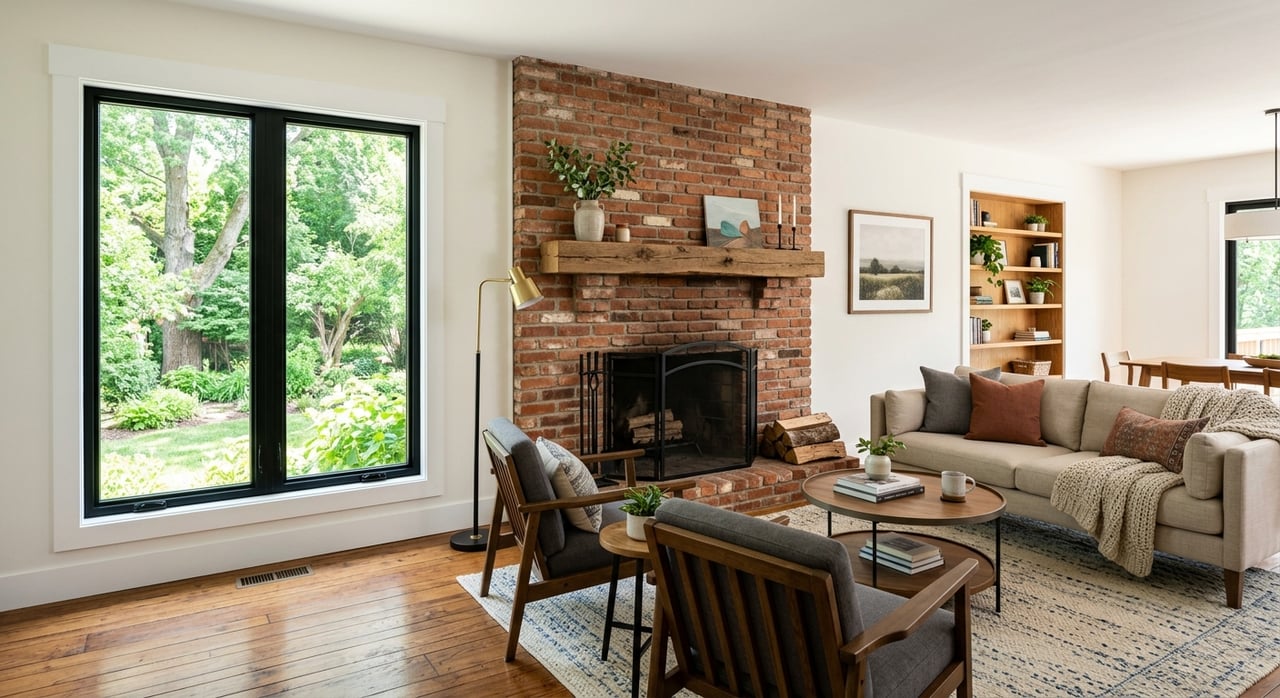
Buying Historic Versus Newer Homes In Littleton
Wondering whether a historic home or a newer build makes more sense in Littleton? You are not alone. Many buyers love the charm of older homes near Littleton’s traditional core, but they also want to understand maintenance, renovation rules, and long-term costs before they commit. This guide will help you compare both paths so you can make a confident decision that fits your lifestyle and goals. Let’s dive in.
In Littleton, “historic” does not only mean one type of home or one era. The city’s older residential fabric is concentrated in Mixed Character Core Neighborhood areas near Downtown and Littleton Boulevard. These are among Littleton’s oldest neighborhoods, and the city specifically includes areas like Louthan Heights in that context.
These older blocks often have features buyers notice right away. You may see rear alley access, shallower front yards, and a more urban street pattern than in newer suburban areas. That layout can create a very different feel from later-built neighborhoods.
Littleton’s historic story also includes some midcentury development. Arapaho Hills is a National Register district, and the city also recognizes post-World War II buildings along Littleton Boulevard designed in Mid Century Commercial Modernism. So in Littleton, a “historic” property may be much older, or it may reflect important midcentury design.
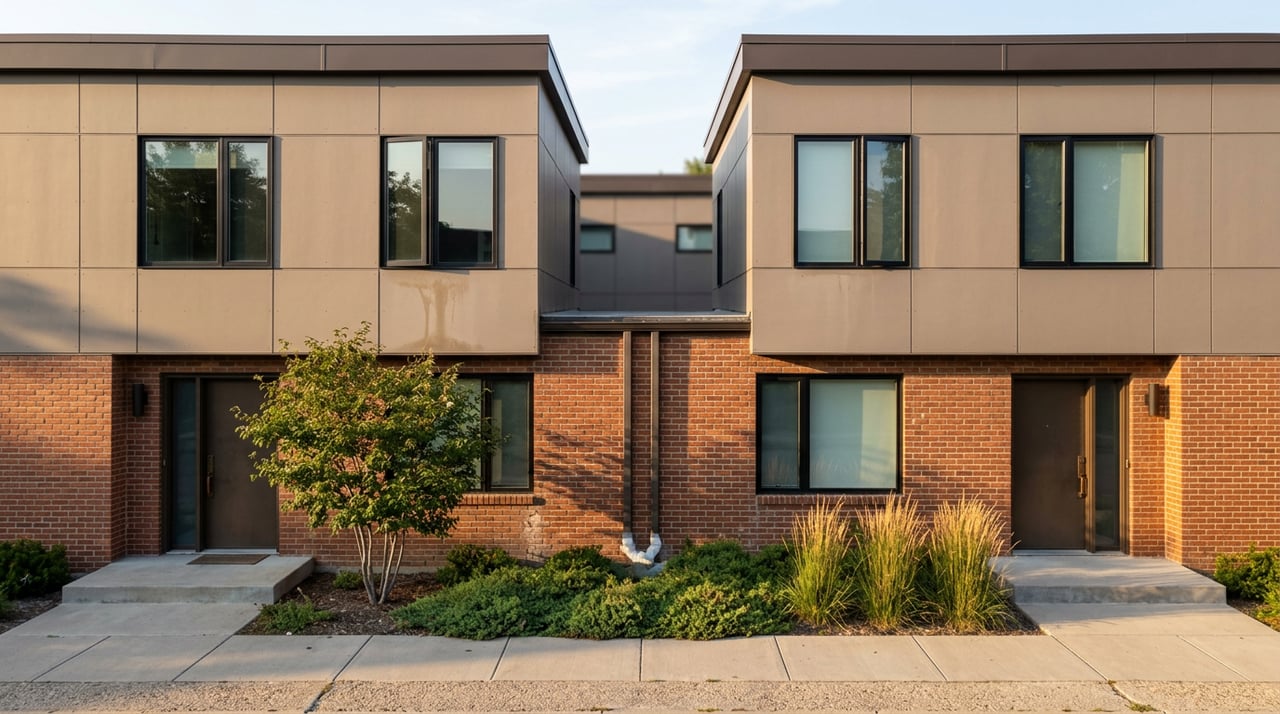
On the newer side, Littleton’s comprehensive plan points to redevelopment and contemporary character in areas along Santa Fe, Broadway, Belleview, and Littleton Village. These areas may include suburban, corridor, or master-planned development patterns. In practical terms, newer homes in and around these areas often appeal to buyers who want more current layouts and systems.
Newer construction is also more likely to reflect Littleton’s current adopted code set. The city now includes the 2024 IBC, IECC, IRC, and related standards in its adopted codes. That matters because today’s code environment can affect insulation, windows, and electric or solar readiness.
That does not mean every newer home performs the same, and it does not mean every older home performs poorly. Still, if energy performance and current-code construction are high on your list, newer homes may offer an easier starting point.
One of the biggest reasons buyers choose an older Littleton home is character. In neighborhoods near the traditional core, homes may offer details, lot patterns, and street layouts that feel distinct from newer development. If you want a home with a sense of place and a connection to Littleton’s early growth, an older property may be the better fit.
Historic designation also does not mean a home is frozen in time. Littleton says historic districts are meant to recognize and enhance historic character, not prevent change or new construction. That can be reassuring if you love older homes but still want room to adapt the property over time.
For some buyers, there may also be financial incentives tied to designated properties. The city says designated landmarks and contributing buildings in local historic districts may be eligible for state income tax credits, city property tax refunds, and a sales or use tax waiver for qualifying façade materials. One important exception is that the city’s property tax refund is not available in the Downtown Historic District.
Newer homes often appeal to buyers who want fewer unknowns. Because they are more likely to align with current code expectations, they may reduce the amount of retrofit work needed for thermal envelope, mechanical, or electrical performance. That can make ownership feel more predictable, especially if you want to move in and focus on daily life rather than projects.
A newer home may also be a better fit if comfort and energy performance matter most to you. The research shows that certified new homes are held to rigorous standards for energy savings, comfort, health, and durability. While not every newer home has a certification, the general direction of newer construction often aligns with those buyer priorities.
That said, newer does not always mean lower total cost. In some newer subdivisions, you should ask whether the property is located in a metro district. Littleton says metro districts are commonly used to finance infrastructure, and district taxes and fees are added to the homeowner’s annual property tax bill.
If you are considering an older home, inspection due diligence should go beyond surface-level appeal. A system-by-system review is especially important. That includes site conditions, exterior materials, interior condition, structure, electrical, plumbing, and HVAC.
This matters because older homes can hide issues that are not obvious during a casual showing. A beautiful exterior or updated kitchen does not tell you the whole story about the condition of wiring, drainage, or major systems. Taking a deeper look helps you understand both the home’s current condition and the likely maintenance path ahead.
Age-related health and safety issues also deserve attention. The EPA says homes built before 1978 are more likely to contain lead-based paint, and asbestos may be present in materials like floor tile, ceiling tile, shingles, and siding. If suspect materials are damaged or could be disturbed during renovation, testing is an important next step.
A newer home does not eliminate the need for careful review. You still want to confirm the property’s permit history and understand what work was completed properly. Littleton says licensed contractors are required for permit work within city limits, and the city’s eTRAKiT system lets users apply for permits, schedule inspections, and check plan review status.
You should also verify whether the property is actually within Littleton’s jurisdiction. The city warns that a Littleton mailing address does not always mean the property is inside city limits. That can affect which rules, permits, and local requirements apply.
This step is easy to overlook, but it matters for both older and newer homes. Before making assumptions about preservation review, permits, or district-related questions, confirm the property’s governing jurisdiction first.
One of the biggest practical differences between historic and newer homes is how future exterior work may be handled. For designated landmarks, Littleton says exterior modifications and additions require approval. Interior maintenance and interior work do not.
That distinction is helpful if you are planning updates. If your goals are mostly inside the home, a designated historic property may still work very well for you. But if you want to make major exterior changes, you should understand the review process before you buy.
Newer homes may have fewer preservation-related review issues, but that does not mean there are no restrictions at all. The key is to understand the property’s exact status, location, and governing rules before closing.
If you are torn between historic and newer homes in Littleton, it helps to compare what matters most to you. Start with your daily lifestyle, your comfort with maintenance, and your renovation goals. Then weigh those priorities against the practical realities of each type of property.
Here is a simple way to think about it:
There is no one-size-fits-all answer. The best choice is the one that matches how you want to live and how much time, budget, and flexibility you want to dedicate after move-in.
No matter which direction you choose, a smart process can help you avoid surprises. In Littleton, the basics are clear and very practical.
Use this checklist as you narrow your options:
Radon deserves special attention because it is not just an older-home issue. The Colorado Department of Public Health and Environment says elevated radon is found in one out of every two Colorado homes, and residents should test homes and mitigate when needed.
If you picture yourself enjoying architectural character, established blocks, and a strong sense of Littleton’s older development pattern, a historic or older home may be the right match. You just want to go in with eyes open about inspections, maintenance planning, and possible review for exterior changes.
If you want a home that is more likely to reflect current code expectations and modern performance priorities, a newer property may bring more day-to-day simplicity. You still need to ask smart questions, especially about jurisdiction, permits, and metro district costs.
In the end, buying in Littleton is less about choosing the “better” home type and more about choosing the better fit for you. When you understand the tradeoffs clearly, you can buy with more confidence and fewer surprises.
If you are comparing older and newer homes in Littleton and want steady, local guidance through the process, Pinette Realty Group, LLC is here to help you evaluate your options and move forward with confidence.
Stay up to date on the latest real estate trends.
We pride ourselves in providing personalized solutions that bring our clients closer to their dream properties and enhance their long-term wealth.
Get In Touch With Our Team To Learn More
8955 RIDGELINE BLVD STE 1400 HIGHLANDS RANCH CO 80129