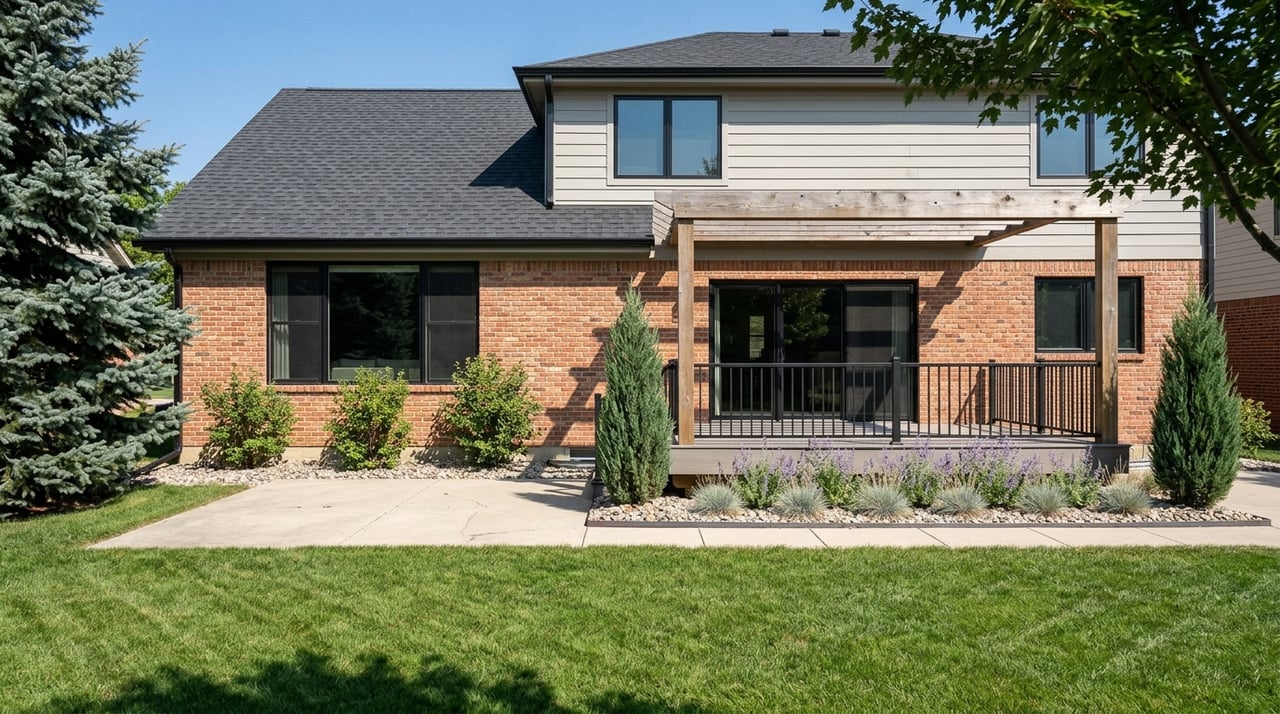
Centennial Move Up Buyers Guide To Neighborhoods
Thinking about moving up in Centennial, but not sure which area actually fits your next chapter? That is a common challenge, especially in a city where established neighborhoods, newer housing, mixed-use districts, and different HOA structures can feel very different from one another. If you want more space, better alignment with your lifestyle, or a home that works longer term, this guide will help you compare Centennial neighborhoods in a practical way. Let’s dive in.
Centennial is a city of about 108,853 residents and 42,233 households, and its growth pattern matters when you start comparing neighborhoods. Because the city incorporated in 2001, some areas were built long before the city existed, while others were developed more recently or are still evolving.
For move-up buyers, that creates a useful framework. Centennial’s planning documents separate many areas into Legacy Neighborhoods and Emerging Neighborhoods, which gives you a clear starting point for understanding housing style, lot patterns, and the overall feel of different parts of the city.
Legacy Neighborhoods generally include housing that predates Centennial’s incorporation. These areas are often made up of established single-family neighborhoods, and the city’s planning approach is aimed at keeping redevelopment context-appropriate and neighborhood-serving.
In practice, that often means you may find older housing stock, more established street patterns, and a stronger sense of continuity from block to block. If you are moving up and want more lot space, mature surroundings, or a more traditional suburban layout, these areas may rise to the top of your list.
Emerging Neighborhoods are areas developed after 2001 or areas planned for future residential growth. The city says these places are more likely to include denser single-family homes, attached housing, and multifamily development.
That usually translates into a different lifestyle tradeoff. You may see newer construction patterns, more shared open space, and stronger ties to mixed-use or transit-oriented areas, which can appeal if you want newer finishes or a lower-maintenance setup.
When you are shopping for your next home, it helps to focus on the choices that affect daily life the most. In Centennial, three questions tend to shape the search more than anything else.
Some older Centennial areas are shaped by conservation-oriented zoning that supports larger lots and protects existing neighborhood character. The city’s Neighborhood Conservation districts show how that can play out, with examples like NC12 requiring a minimum lot area of 12,000 square feet and NC18 requiring 18,000 square feet along with larger setbacks.
That does not mean every older area will have the same lot pattern, but it does show why some established neighborhoods feel more spacious. If your move-up goal includes a bigger yard, more distance between homes, or room for outdoor living, these zoning patterns matter.
Newer neighborhoods in Centennial are more likely to come with HOA oversight, shared amenities, or common open spaces. That can be a positive if you want more managed upkeep or neighborhood features, but it can also affect flexibility.
Colorado’s HOA Information and Resource Center recommends reviewing dues, rules, financial health, and governing documents before you buy. Regular assessments may cover operations, maintenance, reserves, insurance, and legal costs, while special assessments may be used for major repairs, replacement, or new construction.
For many move-up buyers, the decision is not simply older versus newer. It is really about what you value most in the overall neighborhood experience.
If you want newer housing types, attached options, common open spaces, or easier access to shopping and transit, newer or in-between areas may be a better fit. If you care more about lot size and a more established setting, legacy areas may feel more comfortable long term.
Centennial’s zoning categories can give you helpful clues about how an area looks and functions. They should not replace parcel-level research, but they can help you understand the broad character of an area before you narrow your search.
Neighborhood Conservation districts are designed to protect existing neighborhood character and often use smaller building coverage ratios than Neighborhood Infill districts. That means some established areas are intentionally buffered from bigger changes, while infill-oriented areas may be more open to redevelopment patterns.
For you as a buyer, this can affect what the street may feel like over time. A home in a conservation-oriented area may offer more consistency, while a home in an infill-friendly area may sit in a location with more visible change from one property to the next.
The city’s RS, RA, and RU districts support a range of newer housing forms. RS allows suburban lots with significant common open spaces, RA allows relatively narrow lots and multiple housing types, and RU allows narrow-lot, alley-access homes and multifamily buildings.
This matters because two Centennial neighborhoods can both feel newer while offering very different ownership experiences. One may emphasize detached homes with shared open space, while another may lean more toward attached homes, smaller lots, or mixed residential formats.
If your move-up search includes newer amenities, mixed-use convenience, or transit access, a few areas stand out in the city’s planning documents. These locations are worth comparing early if lifestyle and convenience are high on your list.
The Streets at SouthGlenn is a mixed-use center with shopping, dining, living, and working uses. For buyers, that can create a more connected, amenity-rich feel than you may find in a more traditional subdivision setting.
If you like the idea of having daily errands, restaurants, and neighborhood activity nearby, this kind of area may be worth a closer look. It often appeals to buyers who want a balance of suburban living and built-in convenience.
The city’s Midtown Centennial planning work centers on the I-25 and Dry Creek light rail area as an emerging mixed-use district. That makes it one of the clearest examples of a newer, evolving part of Centennial with a more transit-influenced identity.
For move-up buyers, this can be attractive if commuting patterns, accessibility, or a more modern neighborhood format matter to you. It is a different feel from older, larger-lot areas, so it helps to compare these side by side in person.
The District-Centennial, west of I-25 near Dry Creek station, is another example of transit-oriented redevelopment. Areas like this often attract buyers who want updated housing choices and a more connected location.
If your next move is about simplifying maintenance or gaining convenience without leaving Centennial, districts like this may align well with your goals. They can offer a different version of moving up, one focused more on lifestyle efficiency than on lot expansion.
A larger home is only part of the move-up decision. In Centennial, access to outdoor amenities can change how a neighborhood feels and how much private outdoor space you truly need.
The city says its partnerships provide more than 100 parks, 100 miles of trails, and more than 4,000 acres of open space. South Suburban Parks and Recreation serves Centennial west of I-25 and maintains regional trails such as Willow Creek Trail.
Cherry Creek State Park is another major regional amenity available to Centennial residents, with 4,200 acres, 35 miles of multiuse trails, and an 880-surface-acre reservoir. If outdoor access is high on your list, neighborhoods near trail systems or regional recreation may deliver value in ways that go beyond square footage.
Even if you are staying within the same city, school district assignment can still shape your search. Centennial residents are served by both Littleton Public Schools and Cherry Creek School District, and the city says there are more than 50 area schools.
That does not make one area universally better than another, but it does mean district boundaries can be an important filter when comparing neighborhoods. It is wise to verify the assigned schools for any specific address as part of your home search.
Centennial updated its zone districts in 2024, and the city notes that its zoning summary page may not always reflect the most current information. That is an important reminder not to rely on assumptions based only on a neighborhood’s age or general location.
Parcel-level zoning, HOA rules, and district boundaries can all affect how a home fits your goals. The city also adopted ADU regulations in 2024, which adds another reason to verify what is allowed on a specific property instead of guessing based on nearby homes.
If you are feeling torn between established and newer areas, start by ranking your top priorities in order. Most move-up buyers in Centennial are balancing space, maintenance, amenities, and long-term cost.
A simple framework can help:
The right Centennial neighborhood is usually the one that supports how you want to live now and a few years from now. A move-up purchase works best when the home and the surrounding area both match your priorities.
If you want help comparing established neighborhoods, newer districts, and the real tradeoffs between them, Pinette Realty Group, LLC can guide you through the process with local, practical advice.
Stay up to date on the latest real estate trends.
We pride ourselves in providing personalized solutions that bring our clients closer to their dream properties and enhance their long-term wealth.
Get In Touch With Our Team To Learn More
8955 RIDGELINE BLVD STE 1400 HIGHLANDS RANCH CO 80129