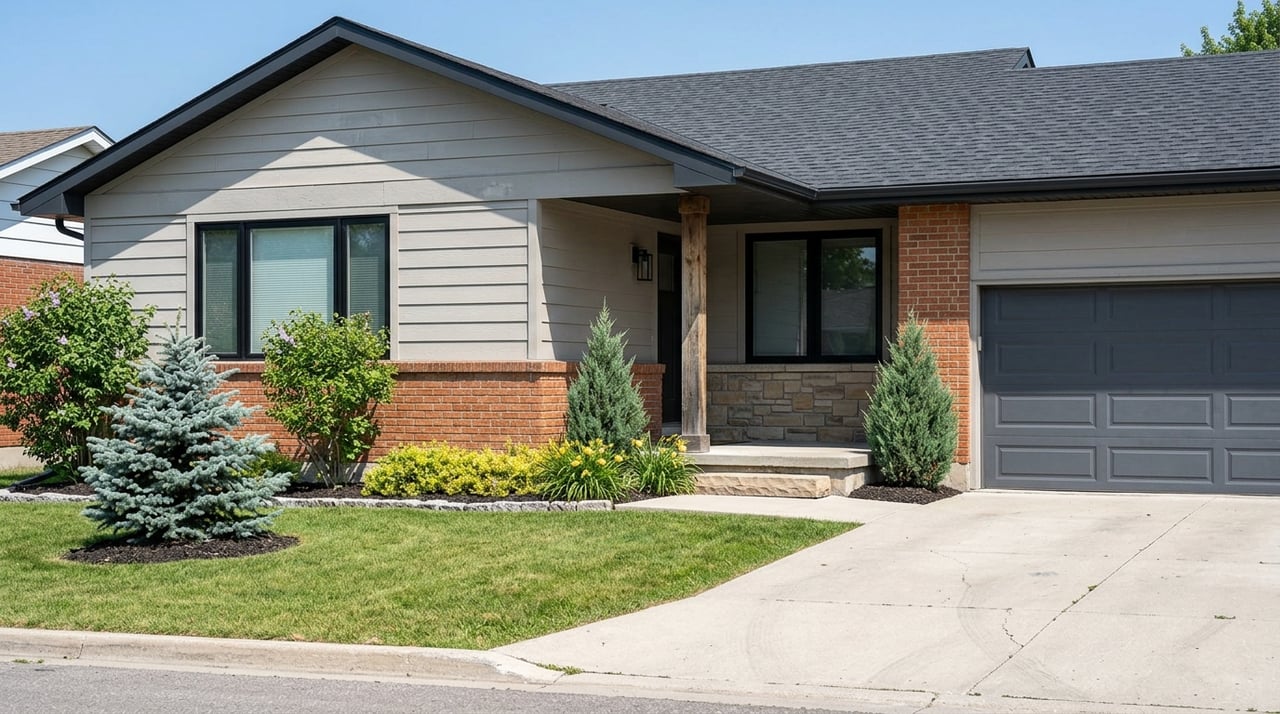
Aurora CO Rental Investing for Single-Family Homes
Are Aurora single-family rentals a smart investment right now? In many cases, yes, but this is not a market where broad averages tell the whole story. If you are thinking about buying a rental in Aurora, you need a clear view of pricing, rent potential, local rules, and neighborhood-level demand. Let’s dive in.
Aurora stands out because it is large, growing, and tied to major job centers. The city had an estimated 403,130 residents in 2024, up 4.3% from 2020, and more than half of its housing stock is single-family detached homes. That matters if you are looking for a rental type that fits how many tenants already live in the market.
Aurora also has a broad renter base. Census figures show a 62.4% owner-occupied rate, which means a substantial share of households rent. Median gross rent was reported at $1,835, while the median owner value was $469,100, giving investors a useful first look at the city’s overall rent-to-value relationship.
Aurora’s rental demand is closely tied to employment access. The city points to major job centers such as Anschutz Medical Center and Denver International Airport, along with strong industries in aerospace and defense, bioscience and health care, and transportation and logistics.
The Fitzsimons and Anschutz area alone is described by the city as a major employment center with about 45,000 employees. For landlords, that helps create a wide pool of tenants who want practical access to work rather than a luxury-only location.
Transit is another key reason Aurora stays on investor watchlists. RTD’s R Line runs 22 miles with 16 stations and connects riders to Aurora City Center, CU Anschutz, the Fitzsimons Life Science District, and airport access through a transfer to the A Line.
That kind of regional connection can matter a lot when you are choosing between similar houses. Homes with useful access to transit, jobs, and daily services may attract a broader range of renters than homes that look similar on paper but sit farther from major routes.
Aurora is not one uniform rental market. The city describes more than 450 neighborhoods, with different feel, age, access patterns, and housing types across northwest, central west, central east, and southeast Aurora.
That is why neighborhood-level analysis matters. Some areas are closer to major employers, some offer easier E-470 and DIA access, and some benefit from parks, reservoirs, trails, shopping, and restaurants. Citywide averages are useful, but they should not replace address-specific due diligence.
Aurora is not a bargain-basement market. Recent trackers place the city in the mid-$400,000s, with Redfin reporting a median sale price of $458,207 and Zillow showing a typical home value of $464,881.
That pricing creates an important reality check. If you are expecting deep discounts and easy cash flow from day one, Aurora may feel tighter than some investor markets. You need to buy with discipline and avoid stretching your assumptions.
Arapahoe County is also a helpful comparison point. Its 2020 to 2024 median owner-occupied value was $561,200 and median gross rent was $1,891, both above Aurora citywide figures. That suggests Aurora can look relatively more attainable than some nearby areas, but still not cheap enough to forgive a weak deal.
A rough gross yield can help you screen deals fast. Using the Census median gross rent of $1,835 and Redfin’s median sale price of $458,207, the implied gross yield is about 4.8% before expenses.
Using Zillow’s lower rent figure of $1,745 lowers that rough gross yield to about 4.6%. Neither figure includes vacancy, repairs, turnover, property management, insurance, taxes, or capital expenses. That is why investors should treat these numbers as starting points, not decision-making shortcuts.
Public rent data for Aurora varies. Census reports median gross rent at $1,835, Zillow shows average rent at $1,745, and Realtor.com reports median rent at $1,975.
That spread is a warning sign against optimistic underwriting. A safer approach is to underwrite near the low end, then let the property outperform rather than forcing the numbers to work on a best-case rent target.
Current sale-side data points to an active market, but not an overheated one. Redfin says homes receive about two offers on average, take around 34 days to sell, and close about 1% below list price on average. Realtor.com reports a median 42 days on market.
For investors, that supports a more measured outlook. If the sale market is taking several weeks to move, your rental planning should also allow for marketing time, turn time, and possible pricing adjustments.
Aurora spans multiple counties, and that makes local detail even more important. County placement, HOA restrictions, neighborhood age, transit access, and proximity to employment centers can all change tenant demand and resale potential.
In a market this large, a one-size-fits-all comp set can create expensive mistakes. Two houses with similar square footage may perform very differently based on location and rules that do not show up in a quick citywide search.
If you are buying a long-term single-family rental, the state and city rules matter just as much as the numbers.
Colorado law limits security deposits to no more than two months’ rent. A pet security deposit cannot exceed $300.
The state also says a landlord must return a security deposit within 30 days after the tenancy ends, unless the lease extends that deadline up to 60 days. Intentional wrongful withholding can lead to treble damages, court costs, and attorney fees.
Colorado’s warranty of habitability requires landlords to maintain habitable premises. When a condition materially interferes with health or safety, remedial action must begin within 24 hours. For less severe uninhabitable conditions, the timeline is 72 hours.
For an investor, this is a practical operations issue. Reliable vendors, good repair tracking, and clear communication are part of protecting both the property and your risk exposure.
Colorado’s law summary says landlords generally need cause to evict a residential tenant, with limited no-fault cases. It also prohibits retaliation for habitability complaints or other protected actions.
That means lease quality, documentation, notices, and repair logs are not minor details. They are part of running a professional rental business.
Aurora treats long-term and short-term rentals differently. Long-term leases over 30 days do not require a city business license or lodger’s tax.
Short-term rentals have stricter rules. They must be the resident’s primary residence, require a business license, and are subject to an 8% city lodger’s tax. For most investors looking at single-family homes, this makes Aurora more straightforward as a long-term rental market than a short-term rental play.
Not every investor wants to self-manage, and Aurora gives you good reasons to think carefully about that choice. The city’s size, neighborhood variety, and demand patterns around jobs and transit make local knowledge more valuable than in a smaller, more uniform market.
Property management can be especially useful if you live out of area, own several properties, or want tighter systems for notices, repairs, deposits, and fair housing compliance. For many investors, good management is not just about convenience. It is about protecting cash flow and reducing avoidable mistakes.
Aurora can work well for a disciplined buy-and-hold strategy. The city offers population growth, a large stock of single-family homes, access to major employers, transit connectivity, and a broad set of neighborhood options.
At the same time, the numbers suggest this is not a market for loose assumptions. Aurora looks stronger as a long-term, carefully selected rental market than as a low-effort income play. If you buy right, underwrite conservatively, and stay realistic about operations, single-family rentals here can make sense.
If you are weighing Aurora against other South Metro and suburban Denver options, a local, property-specific review can help you spot the difference between a decent-looking listing and a durable long-term investment. For tailored guidance on buying, evaluating, and managing investment property, connect with Pinette Realty Group, LLC.
Stay up to date on the latest real estate trends.
We pride ourselves in providing personalized solutions that bring our clients closer to their dream properties and enhance their long-term wealth.
Get In Touch With Our Team To Learn More
8955 RIDGELINE BLVD STE 1400 HIGHLANDS RANCH CO 80129