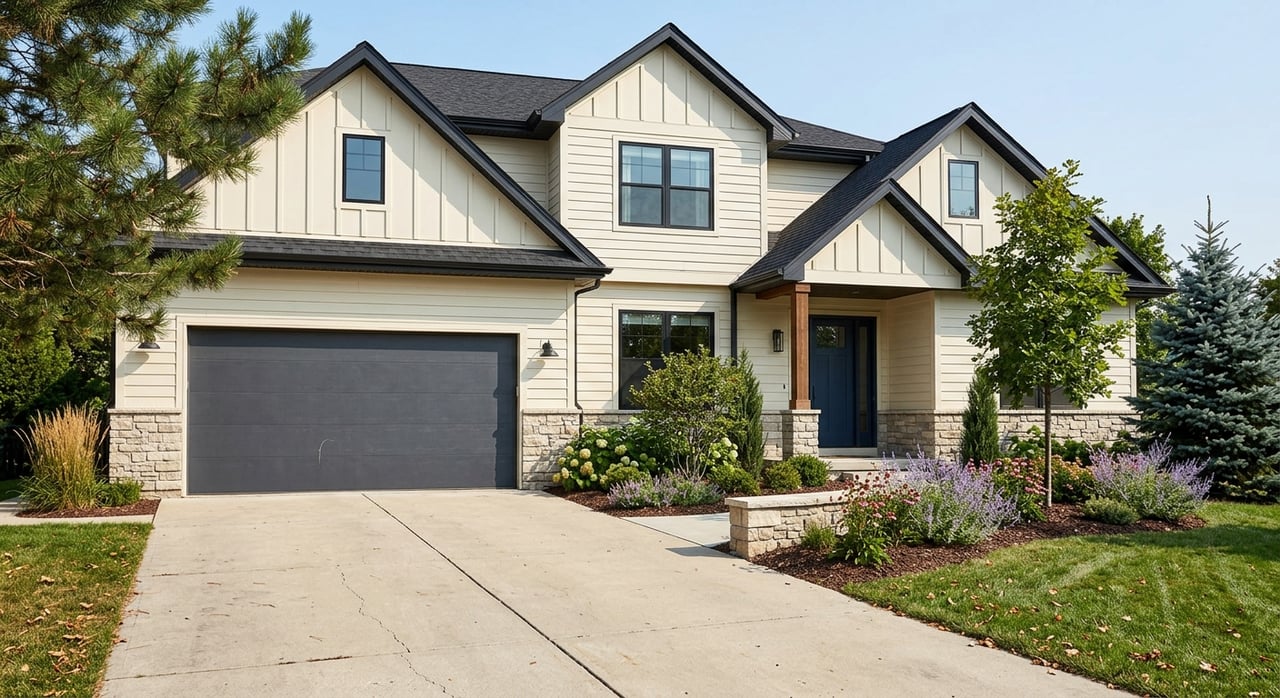
First Time Homebuyer Tips for Buying in Parker
Buying your first home in Parker can feel exciting and intimidating at the same time. You are trying to learn the market, set a realistic budget, and move fast enough to compete without making a choice you regret later. The good news is that Parker gives first-time buyers a clear sense of place, a range of home types, and several paths to prepare financially before you make an offer. Let’s dive in.
Parker is a 22.4-square-mile town in Douglas County, about 20 miles southeast of Denver, with a population of about 68,485 as of January 1, 2025. The town describes itself as having a Western-Victorian downtown and a hometown feel. Its long-range planning also focuses on preserving small-town character while managing growth in a balanced way.
That matters when you are buying your first home. You are not just choosing a house. You are choosing a community with a defined town center, established planning goals, and a housing market shaped by both newer development and existing neighborhood character.
Parker is not a one-style market. As you browse listings, you will likely see neighborhood names such as Canterberry, Clarke Farms, Cottonwood, Stroh Ranch, Idyllwilde, Bradbury Ranch, Parker Vista, Rowley Downs, Parker Square, Anthology, Newlin Crossing, Parker Homestead, Reata Ridge Village, Horseshoe Ridge, and Salisbury Heights.
These names are helpful because they show how broad the local market can be. Some areas may feel more established, while others may feel newer and more planned. Parker’s master plan supports protecting existing residential character while placing higher-density housing in appropriate areas, which helps explain why the town offers a mix instead of feeling uniform.
Douglas County’s 2024 housing profile shows that 74.5% of the county’s housing units were detached single-family homes. It also shows that 58.6% of housing units countywide were built in 2000 or later. Parker itself had 23,955 housing units as of January 1, 2024.
For you, that likely means many Parker listings will be detached single-family homes. You should also expect to see condos, townhomes, and some multifamily options, especially if you are looking for a lower entry price or a lower-maintenance setup.
One of the biggest first-time buyer myths is that you need 20% down. In reality, many mortgage programs require as little as 3% down. That said, first-time buyers often put down more than the minimum, with Freddie Mac noting a 2025 median down payment of 10% for first-time buyers.
The better way to think about your budget is this: your down payment is only one part of the total cash you need. Closing costs typically run about 2% to 5% of the purchase price, and that is separate from your down payment. FHA loans can also offer lower down payment options, which is one reason they remain common among first-time buyers.
In Parker and the rest of Douglas County, your closing costs may also include property tax prorations and county recording or documentary-related charges. Douglas County notes that property taxes are billed and collected by the treasurer based on assessed values and mill levies set by many taxing authorities. The county also notes that proration is generally completed at closing.
That means your budget should leave room for more than the sticker price of the home. A smart plan usually includes space for lender costs, title costs, taxes, recording fees, insurance, and move-in expenses.
If saving for a home feels like the biggest hurdle, there are local and state-level resources worth knowing about. Douglas County Housing Partnership helps first-time buyers purchase in Douglas County with $15,000 toward the purchase price through its down payment assistance program. It also offers monthly first-time homebuyer education classes.
CHFA, Colorado’s statewide housing agency, also offers down payment assistance through participating lenders. Its options include a grant of up to the lesser of $25,000 or 3% of the first mortgage, plus a second-mortgage option up to the lesser of $25,000 or 4%. CHFA also offers free homebuyer education statewide, and that class is required for CHFA mortgage loans.
Homebuyer education is not just a box to check. If you are buying for the first time, a class can help you understand budgeting, loan choices, and what happens between contract and closing. That knowledge can make your search feel much calmer once you start seeing homes in person.
Parker remains an active suburban market. Recent snapshots show a median sale price around the mid-$600,000s, with Redfin reporting $658,000 and Zillow reporting a March 2026 median sale price of $664,167. Zillow also reported an average home value of $692,373, while Realtor.com reported a median listing price around $700,000.
The exact numbers vary by source, but the bigger takeaway is consistent. Parker is a market where homes can move quickly, with reports showing homes going pending in about 13 days and median days on market ranging from about 15 to 30 days depending on the data source.
When homes move quickly, preparation matters more than panic. A preapproval before you shop can help sellers see that you are serious, although it is not a guaranteed loan offer. It also helps you define your real comfort zone before emotions enter the picture.
Just as important, know your maximum monthly payment before you tour homes. If you only focus on the top purchase price your lender approves, you may leave too little room for taxes, insurance, maintenance, and everyday life after closing.
In a fast market, some buyers feel pressure to remove protections. That can be risky, especially on your first purchase. The CFPB notes that an inspection contingency can allow you to cancel without penalty if the inspection is unsatisfactory.
A stronger strategy is usually better preparation, not bigger risk. A solid preapproval, clear price boundaries, and a well-structured offer often put you in a stronger position than simply trying to bid the highest number.
If you want to keep the process manageable, focus on a simple framework:
This kind of plan helps you shop with clarity. It also helps you avoid becoming house-rich and cash-poor after you close.
As a first-time buyer, it is easy to focus only on the house itself. In Parker, it also helps to think about how each area fits your day-to-day routine. Because the town has a recognizable downtown, a broad subdivision landscape, and a planning approach built around balanced growth, different parts of Parker can offer different living patterns and home styles.
As you compare options, pay attention to things like commute patterns, home age, lot size, layout, and how much upkeep you want. Looking at neighborhood names in listings can help you organize your search, even before you know which part of Parker feels right for you.
Your first purchase comes with a lot of moving pieces. You are weighing financing, timing, market speed, inspections, and neighborhood fit all at once. Having calm, local guidance can make those decisions clearer and more manageable.
At Pinette Realty Group, the focus is on helping you move through the process with clarity, realistic expectations, and neighborhood-level insight across South Metro Denver communities like Parker. When you are ready to take the next step, connect with Pinette Realty Group, LLC for trusted, hands-on guidance.
Stay up to date on the latest real estate trends.
We pride ourselves in providing personalized solutions that bring our clients closer to their dream properties and enhance their long-term wealth.
Get In Touch With Our Team To Learn More
8955 RIDGELINE BLVD STE 1400 HIGHLANDS RANCH CO 80129